

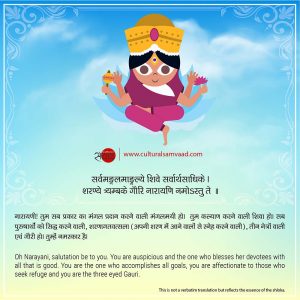
Millions of people across the Indian subcontinent and elsewhere celebrate Navaratri. For the uninitiated, Navratri is a 9-days long festival that honours the indomitable Divine Feminine. The three most commonly known and revered forms of the goddess are Durga, Lakshmi and Saraswati.
Join our WhatsApp community
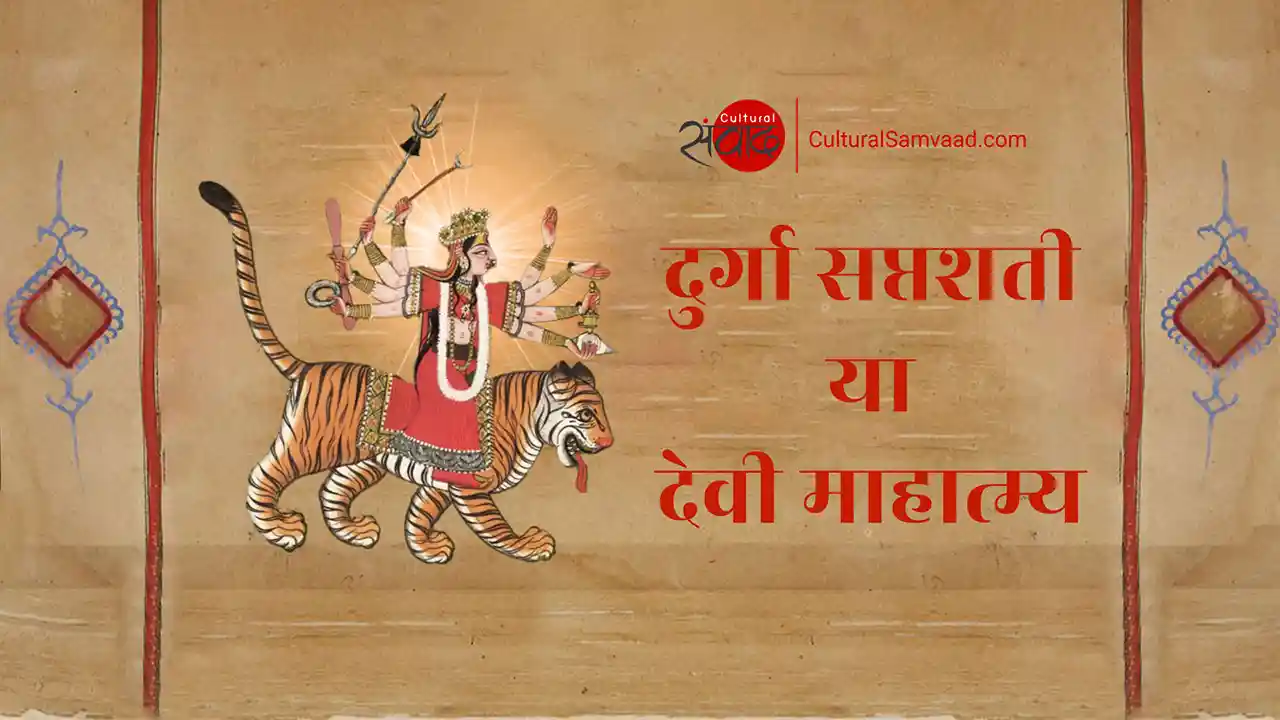
One of the integral parts of the festival is the recitation of a widely revered composition called the Durga Saptashati or the Devi Mahatmya. This piece is not intended to discuss the spiritual connotations of the beautiful festival and the rich composition, but their importance to the narrative of women empowerment.
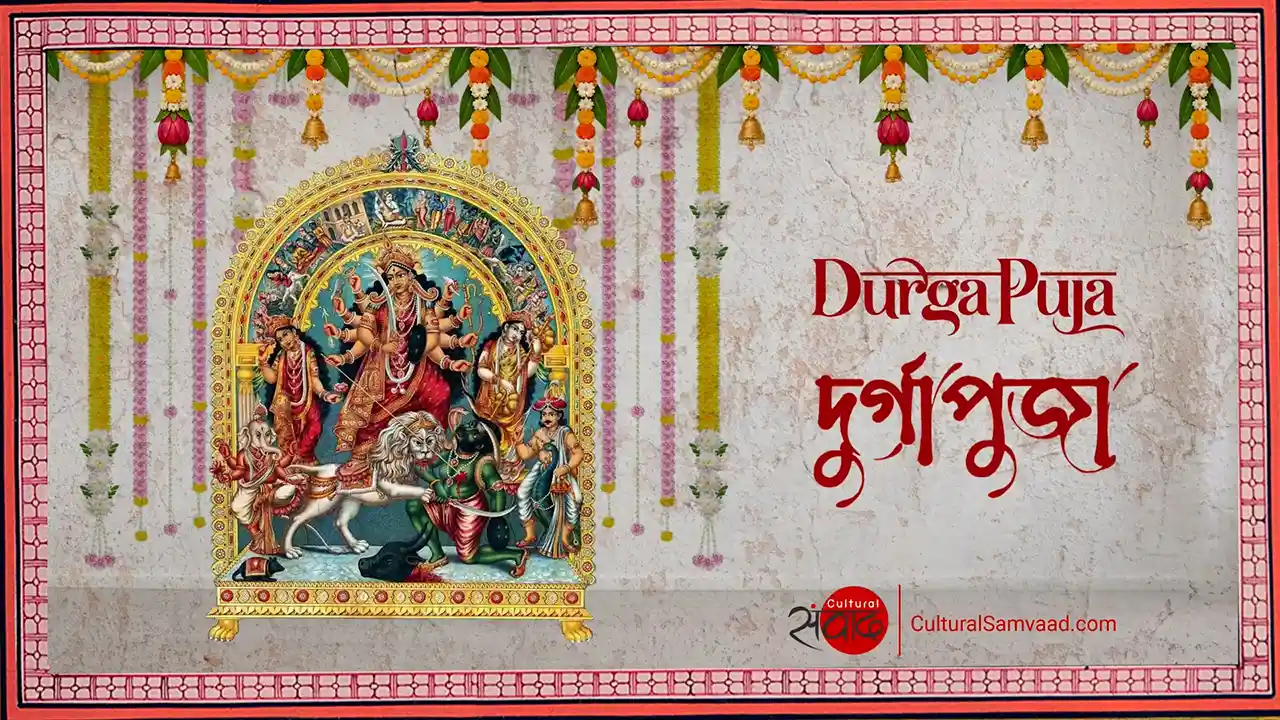
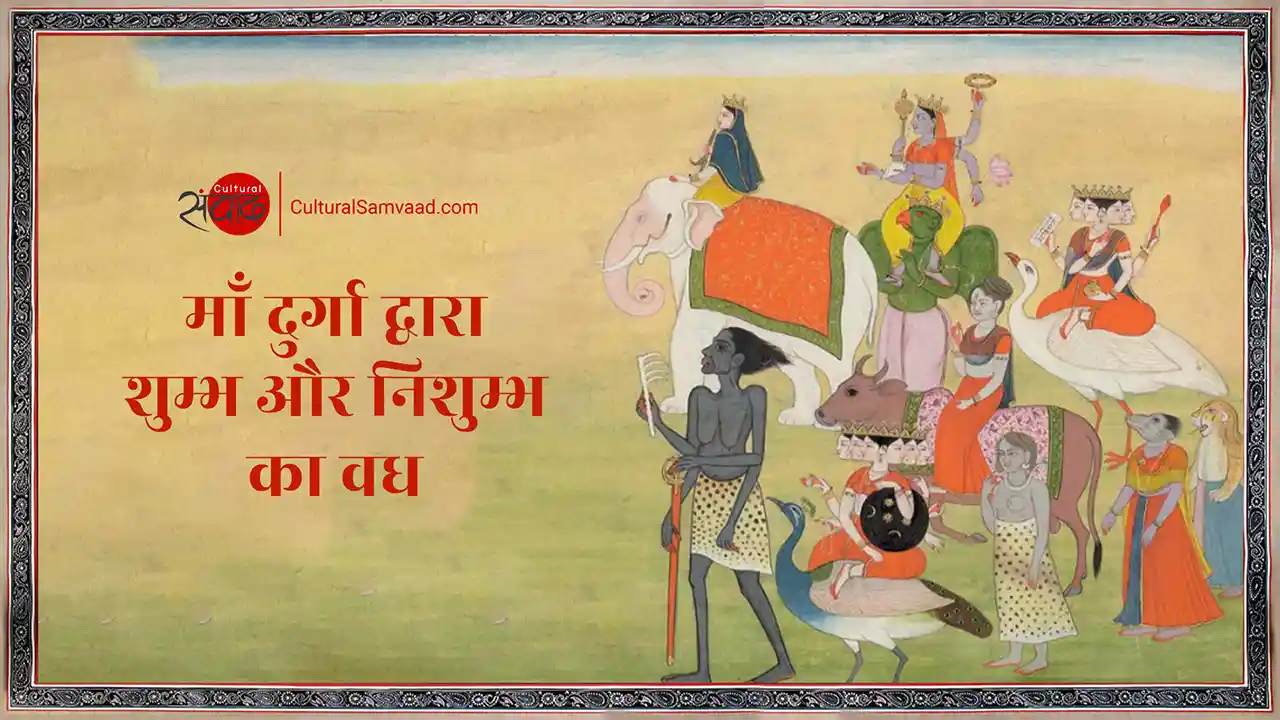
The Devi Mahatmya is probably the oldest extant living text in the world devoted entirely to a fiercely independent goddess. The singular achievement of the composition is that it visualises the Supreme Being in a feminine form. It is more than worth a read even as a secular text. The narrative weaves together all forms of the divine, coalesces them into a whole and crystallises them as the Mahadevi (the Great Goddess) who creates the Universe, pervades all creation (omnipresent), sustains all creation, and then destroys it. She is visualised as the one who possesses the powers or shakti of all the male gods combined (omnipotent). All divine beings are just manifestations of her – there is ‘no second one’ in this universe. The narrative fuses the two facets of femininity to imagine the Divine Feminine – the love or vatsalya of the mother with the fierceness of the indomitable warrior. Mahishasuramardini who is arguably the protagonist of the main narrative is a fiercely independent goddess – she is not a consort goddess and yet she is the Divine Mother. The composition also accords divine status to all women by stating emphatically that all women in the world are images of this very Divine Feminine (11.6 -स्त्रियः समस्ताः सकला जगत्सु । striyah samastāh sakalā jagatsu ).
Read & watch a summary of the Devi Mahatmya or Durga Saptashati
India has a long tradition of storytelling. Compositions like the Saptashati with their engaging narration and vivid imagery were meant to suggest the tenets of life and living. The narration was probably not only an attempt to synthesise and crystallise millennia old traditions of goddess worship in India but also to temper down patriarchal fervour. The composer(s) seem to have anticipated modern women empowerment issues millennia ago or maybe the times have changed but the debate hasn’t.
Mythology and spirituality when intertwined and interpreted sensitively have an amazing power to influence positively. Navratri and its narrative backbone – the Devi Mahatmya can help in re-evaluating and recasting gender equations in contemporary Indian and perhaps even global social orders. The festival can be extended and become a powerful symbol of change.
Celebrating Navaratri was in vogue, ages before the International Women’s Day and the International Day of the Girl Child were envisioned. The stories of the Saptashati resonate with the Indian psyche. It is more than unfortunate that the stories lived on, but their messages and meanings were relegated to the background. It is time to rekindle and reestablish those messages and to use them to challenge some of the biases against women established in popular imagination.
If all girls are images of the goddess we worship, the girl child has to be protected, educated and nurtured into an independent, strong woman leader with an identity of her own. The stories and rituals of Navaratri exhort us to do our bit for each woman and to respect her as an individual, not only because it is fashionable to do so but also because it is also a part of our heritage.
To reiterate, Navratri has enormous potential to become a cultural symbol that can be used to help empower women in our country with the help of businesses, members of the civil society, academicians, religious leaders and politicians. It is just not a great Indian festival to promote consumption but a pact with posterity. 21st Century India should not shy away from using narratives and frames from popular mythology to fight that mythology which is promulgated and propagated to establish tenets which are anachronistic and irrelevant. While that is a discussion for another day, we believe in #Navratri4change.

Add comment