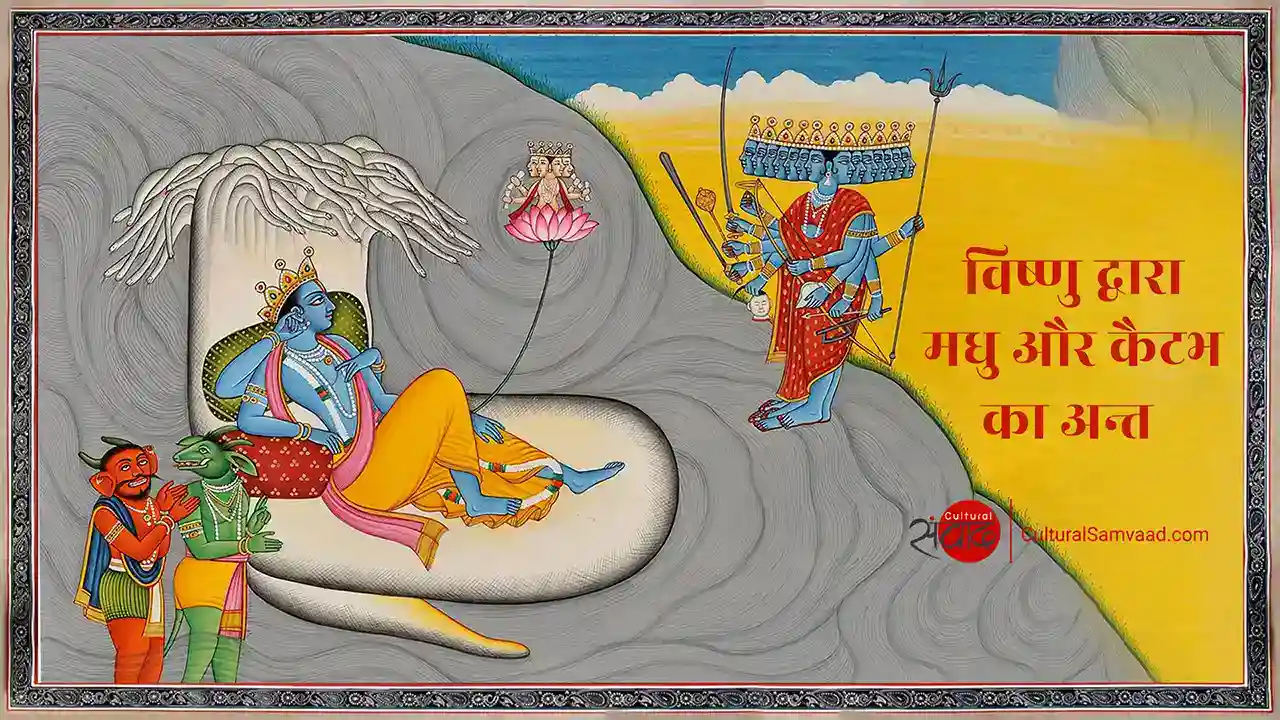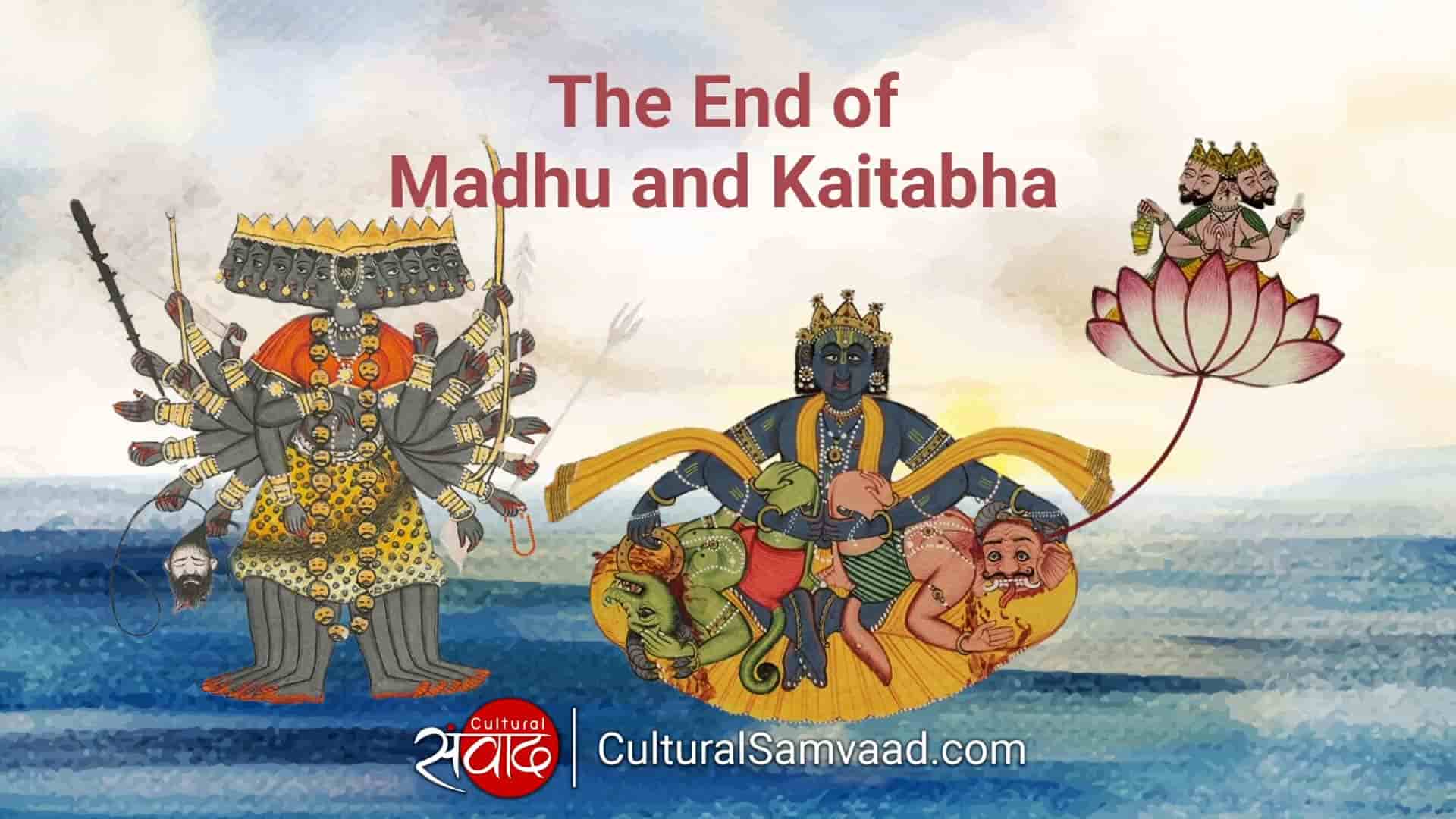
Devi as Yoganidra rouses Hari from cosmic slumber to end Madhu and Kaitabha
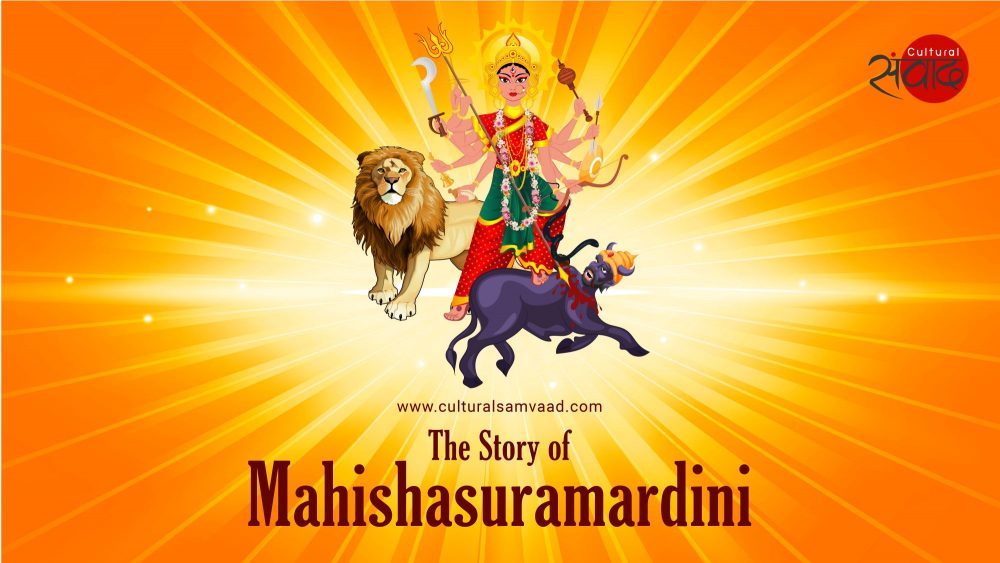
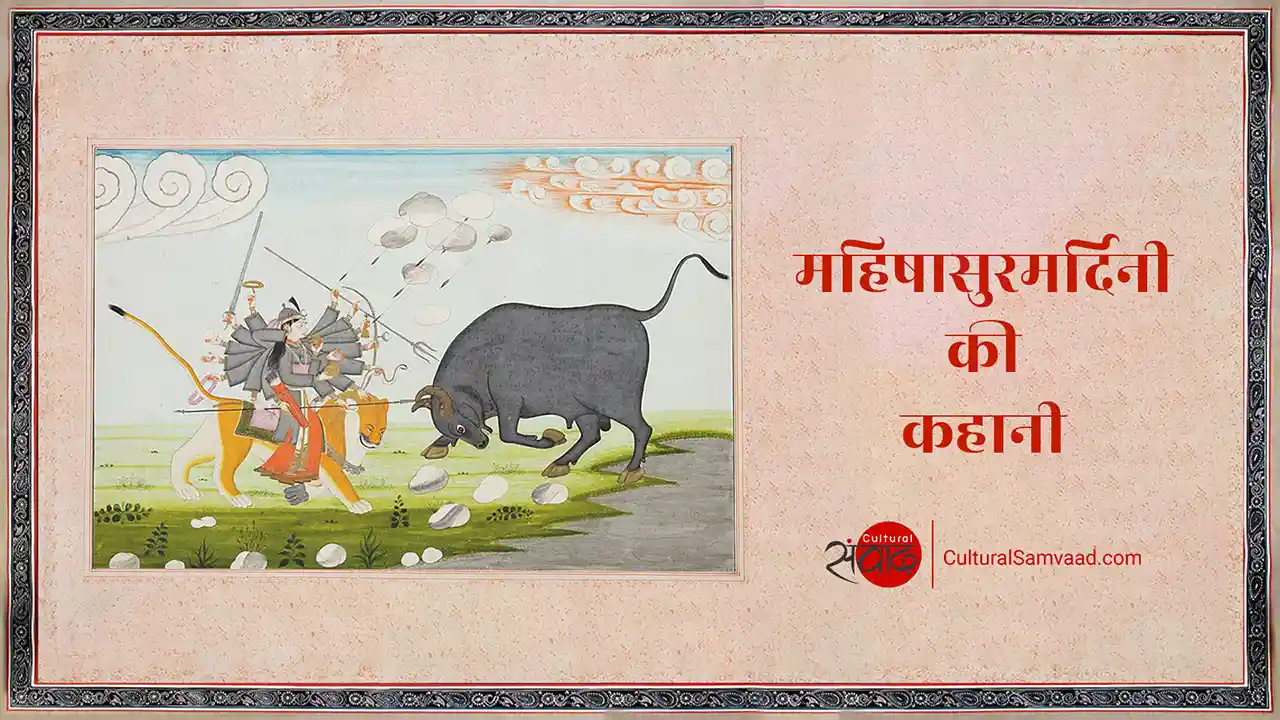
Adishakti manifests as the invincible warrior to become Mahishasura Mardini
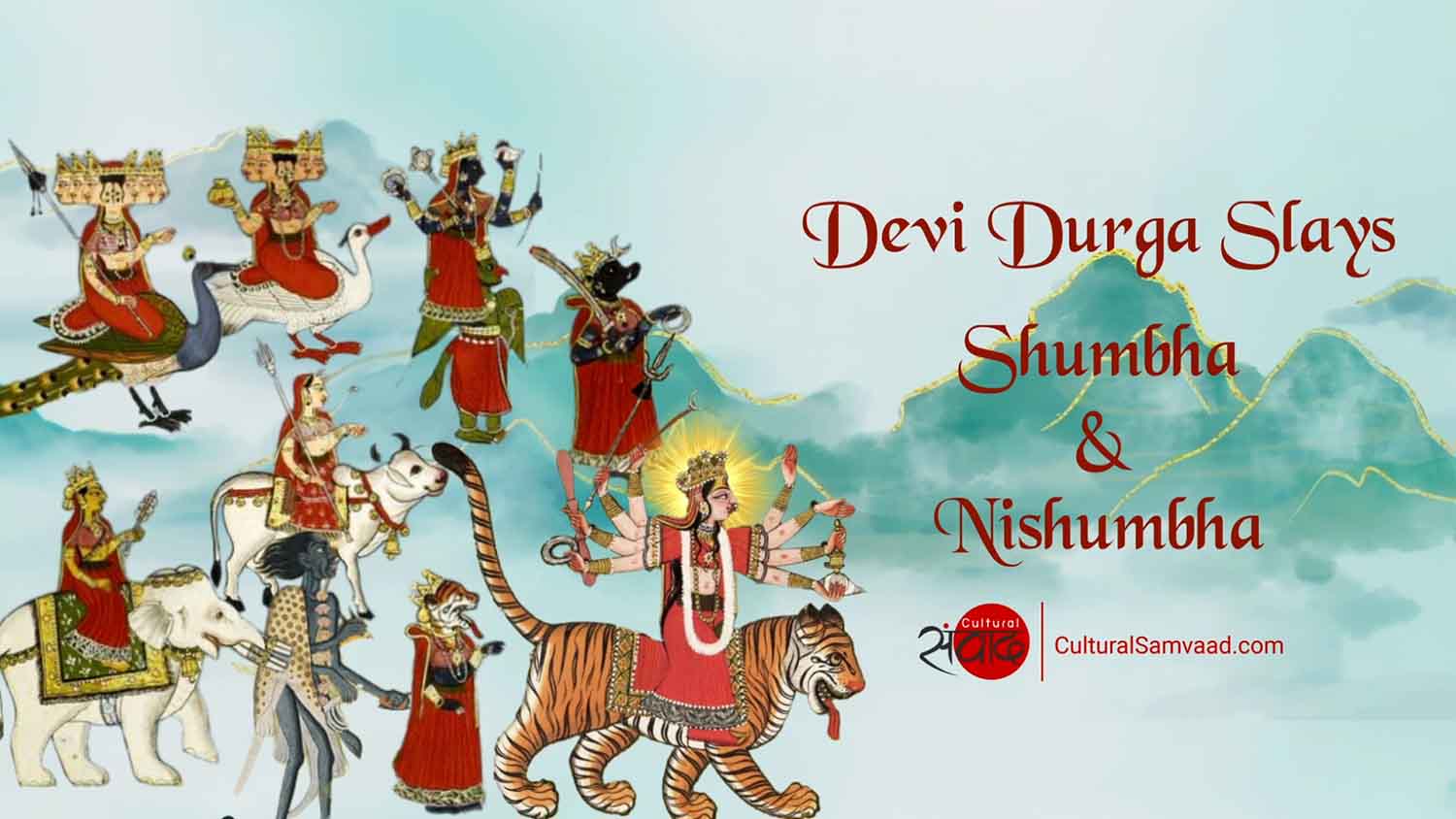
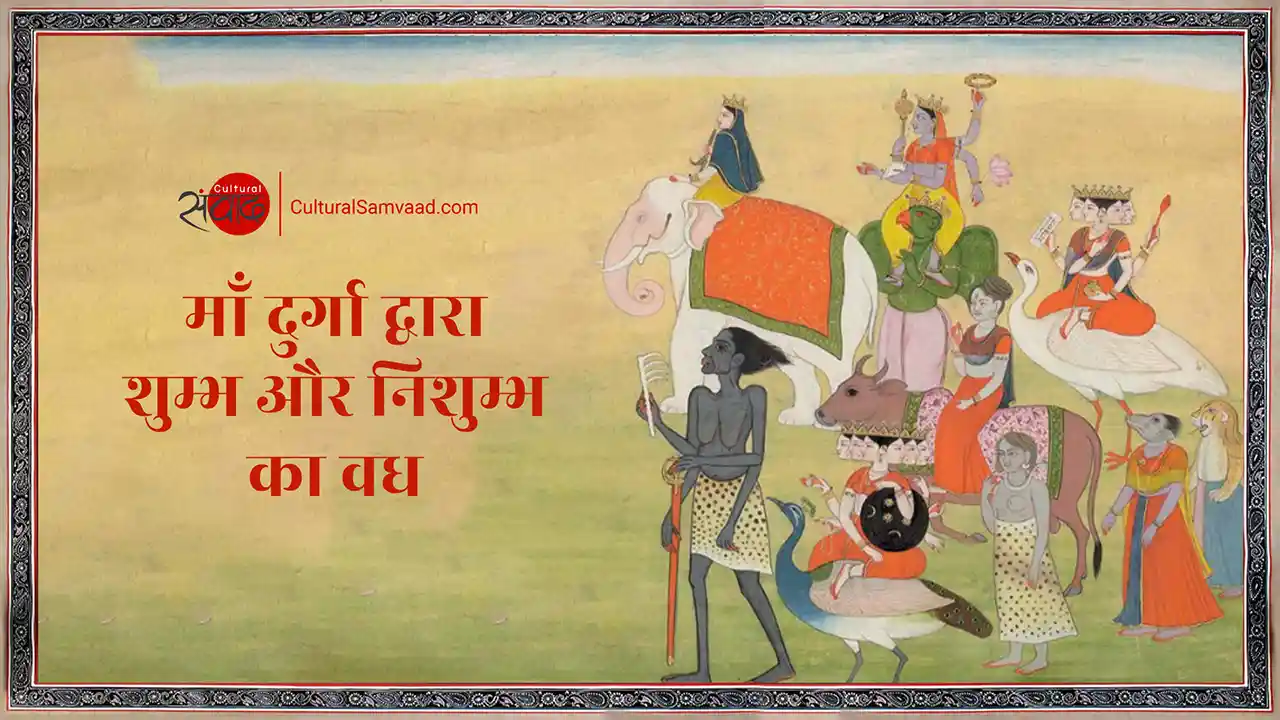
Devi Ambika, Kali and the Matrikas manifest to vanquish the demon army
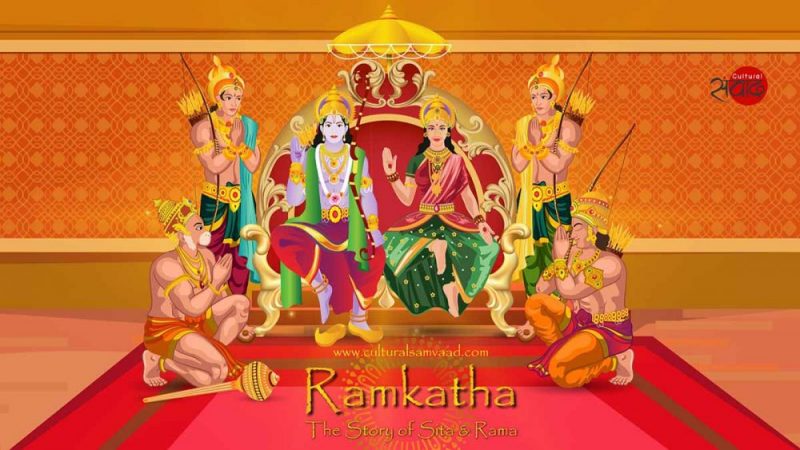
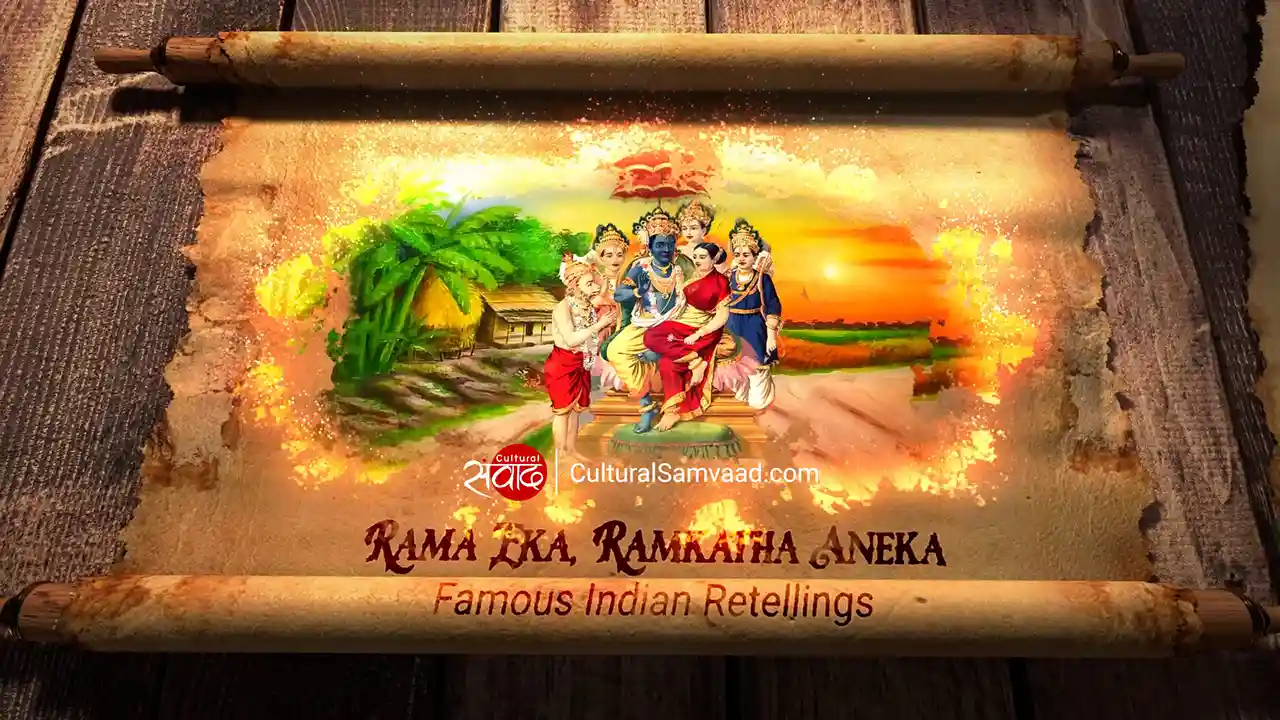
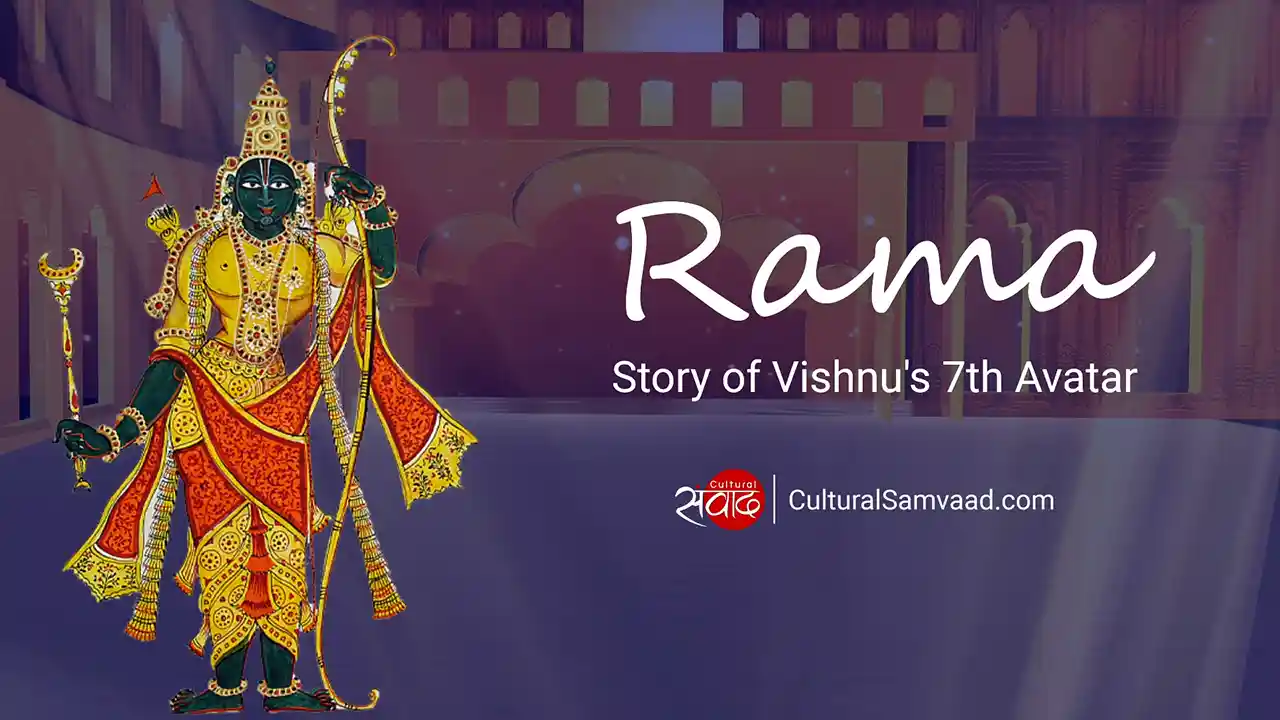
Sita and Rama are immortal & timeless icons of Dharma in Bharat. How we choose to tell their story & mould the Dharma of our times will make all the difference.
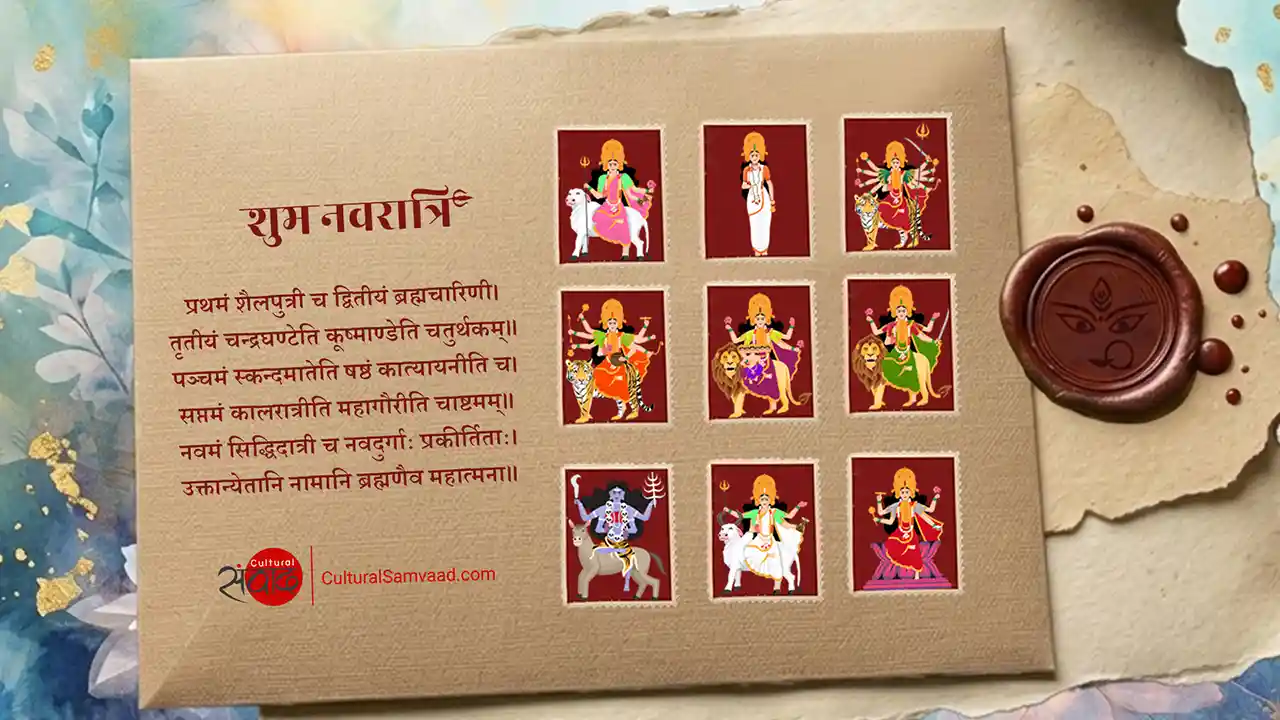
Read the essay →Navratri and its narrative backbone – the Devi Mahatmya can help in re-evaluating and recasting gender equations in contemporary Indian and perhaps even global social orders.
Raktabij is akin to our pride, greed and inertia. If and only if we conquer the Raktabij within us, we will be able to move ahead on the path of Dharma.
Read →One Supreme Goddess, Many Celebrations
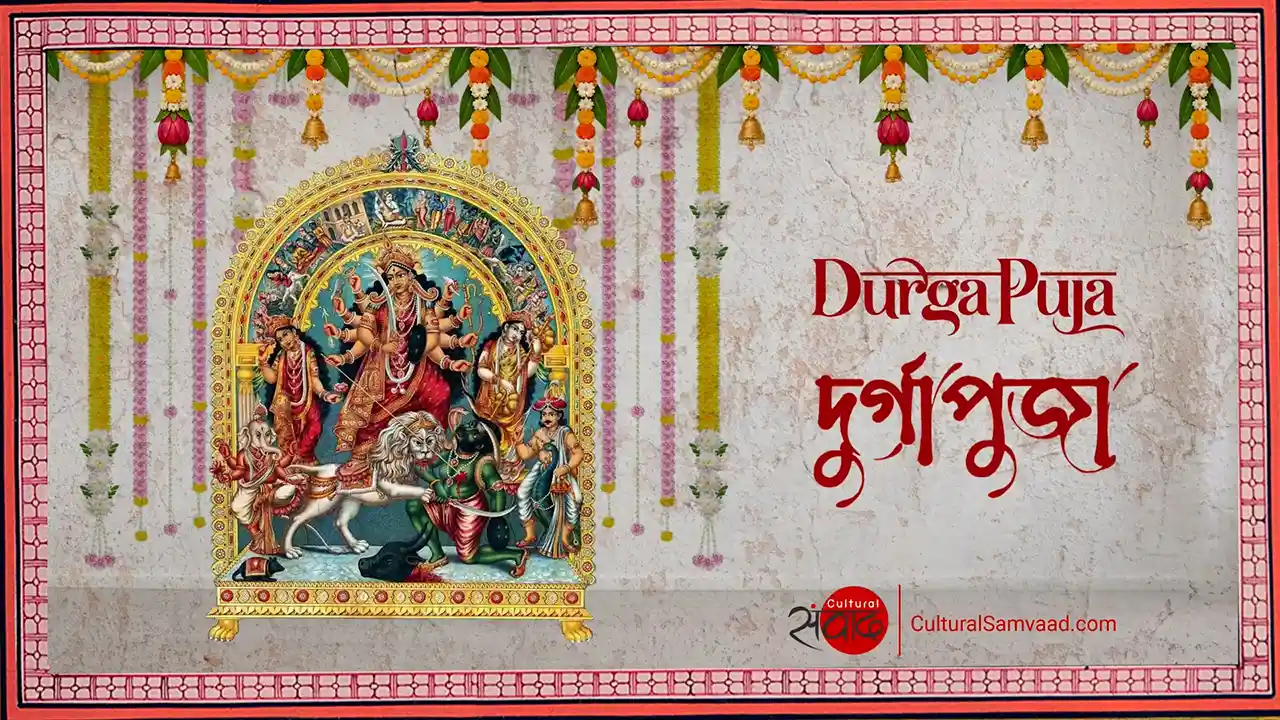
Welcoming Maa Durga – the beloved daughter and the invincible warrior
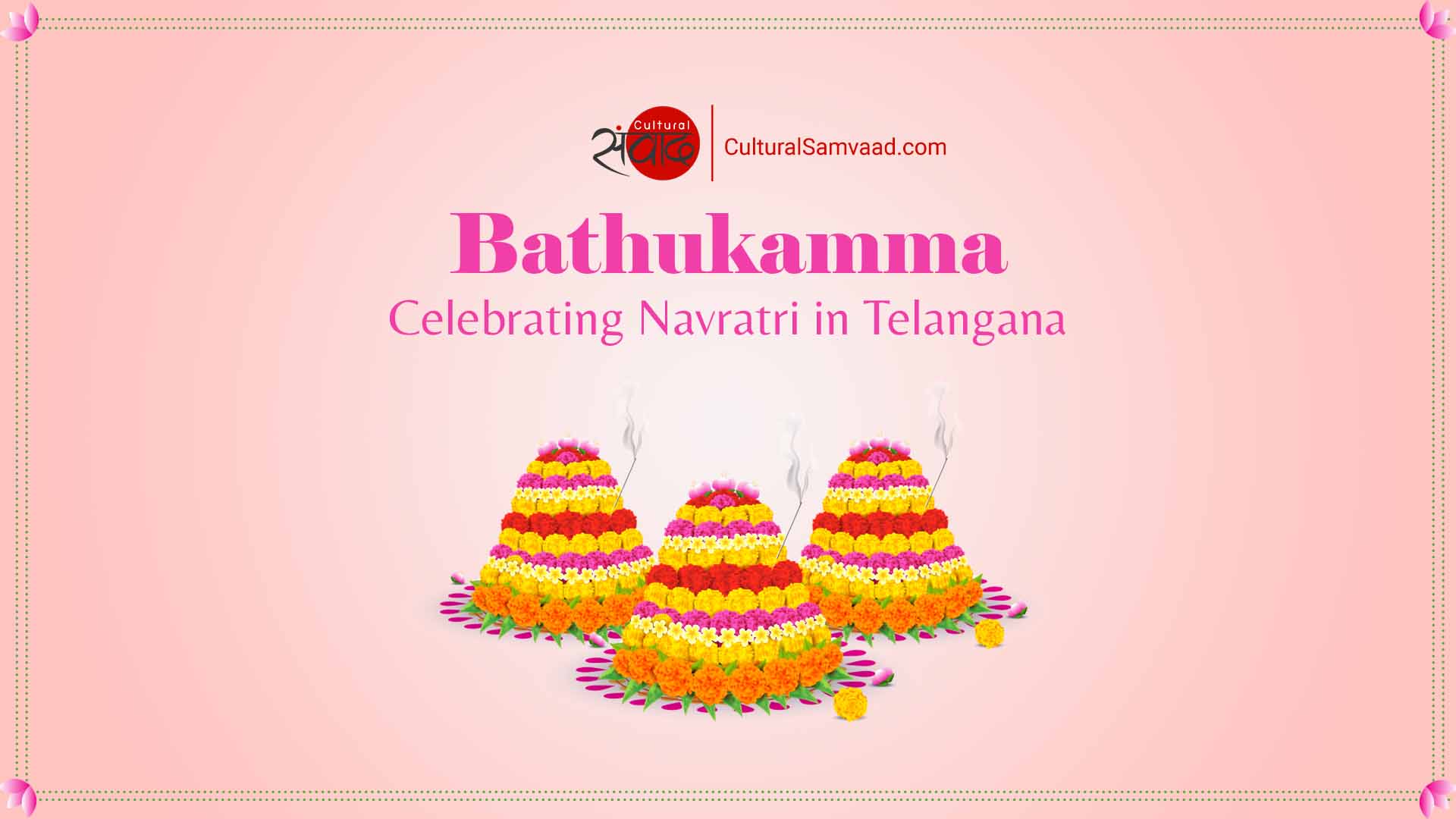
Worshipping the ‘Mother of Life’ - Gauri with colourful flowers and foods
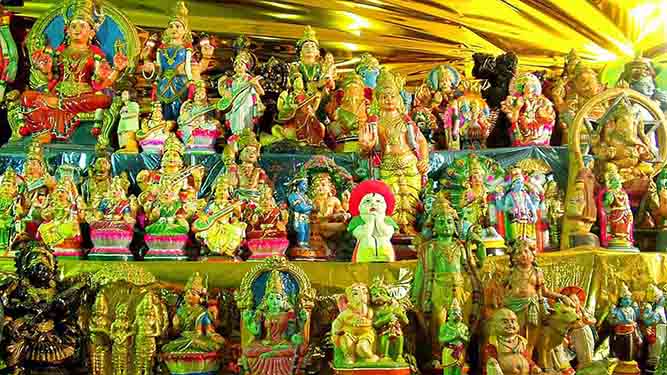
Arranging stunning dolls in tiered arrangements to embody the macrocosm
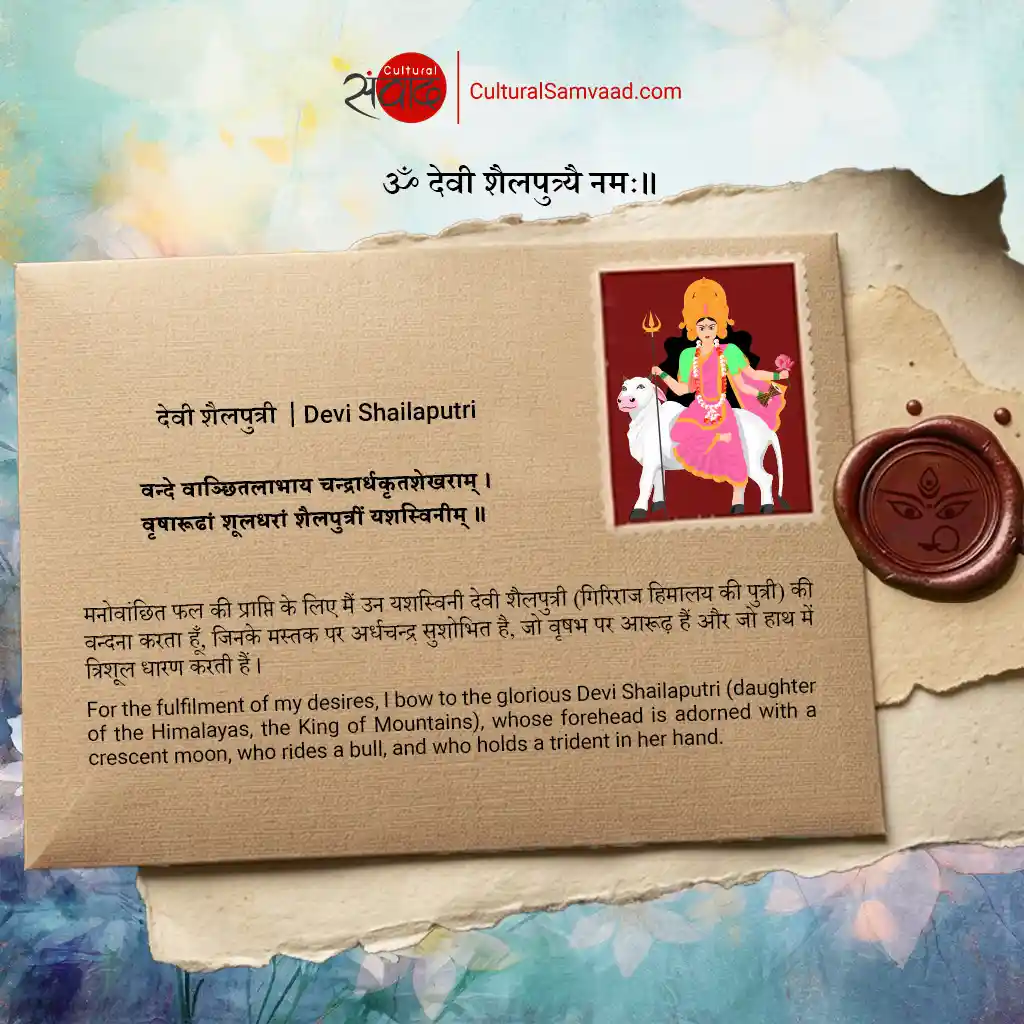
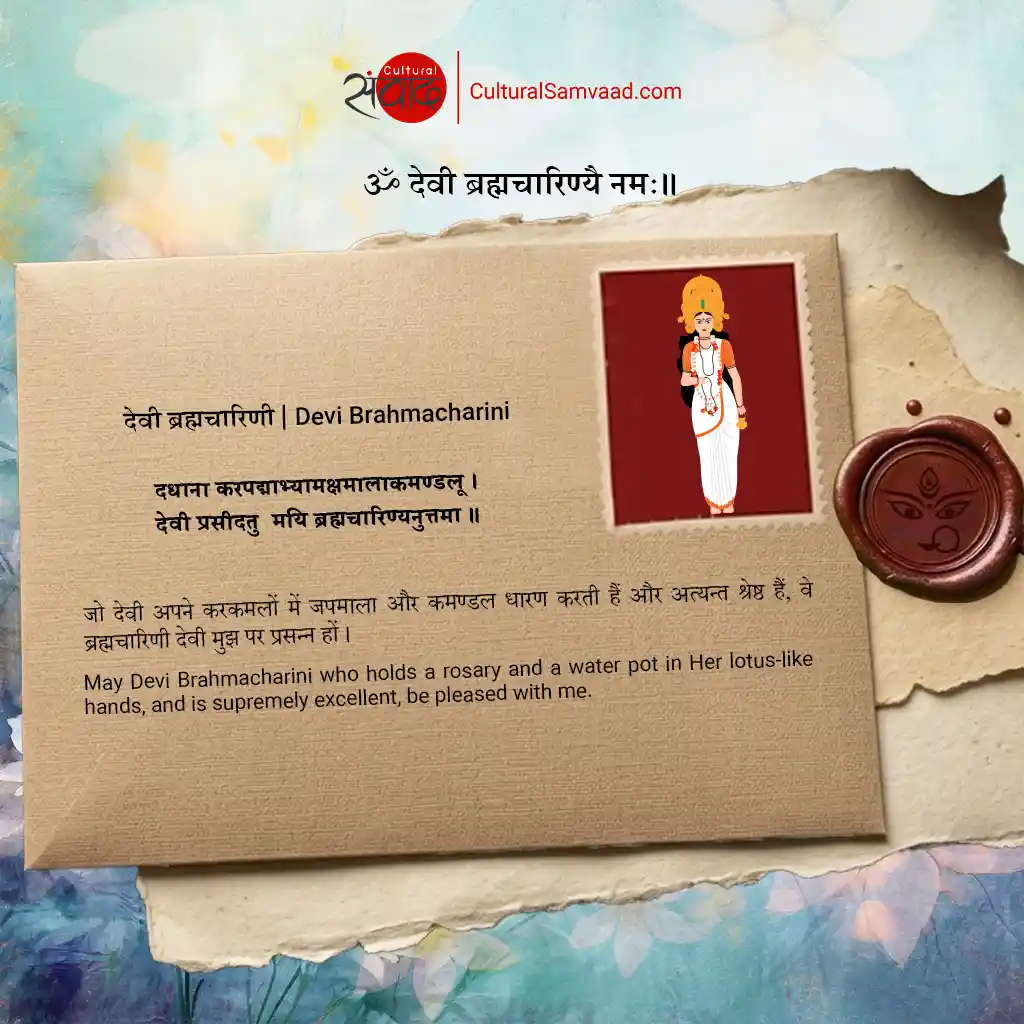
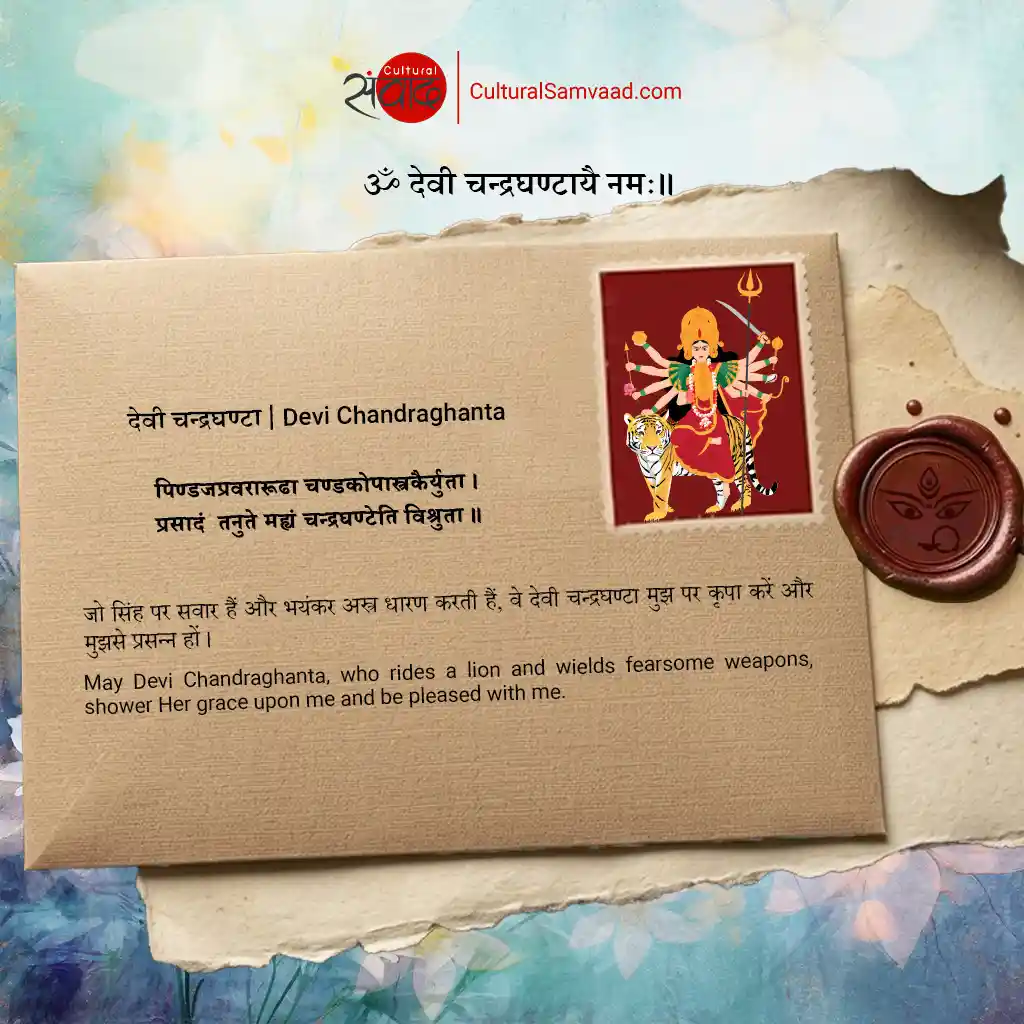
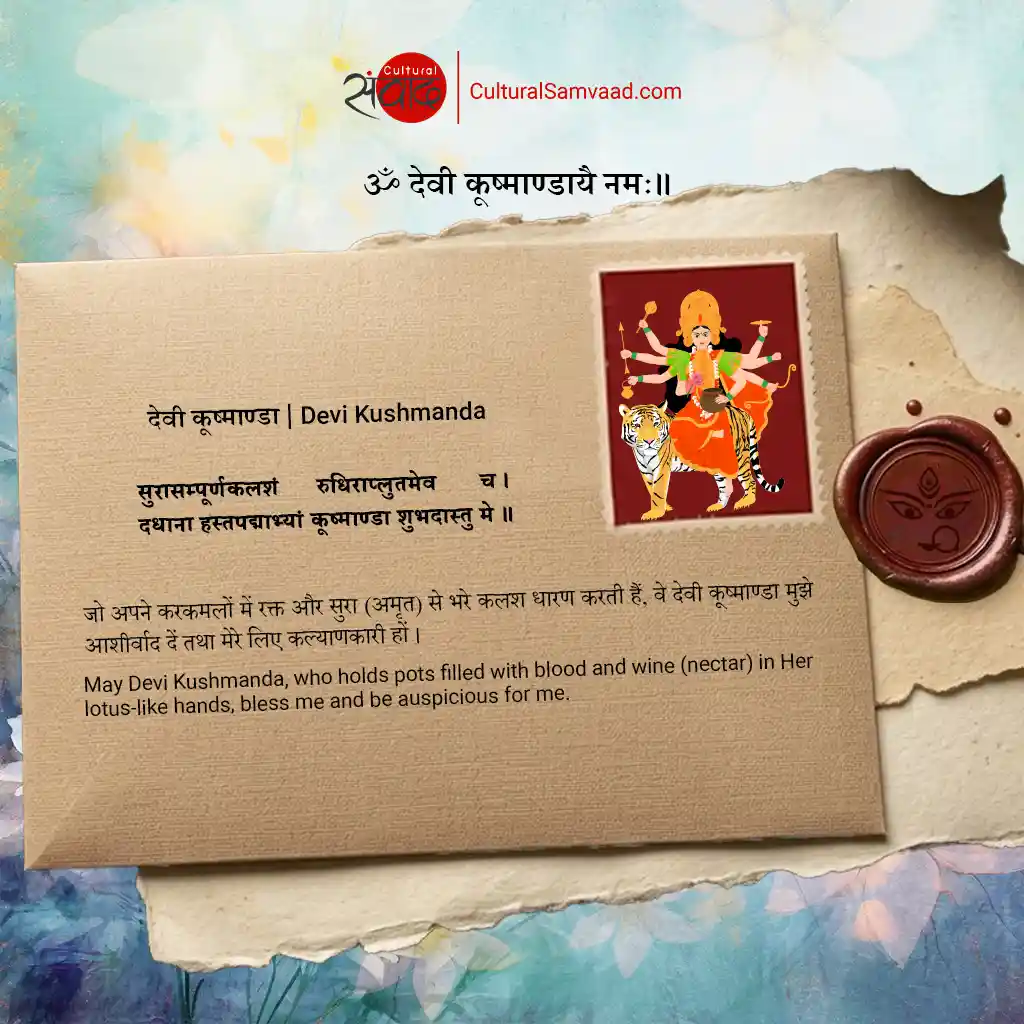
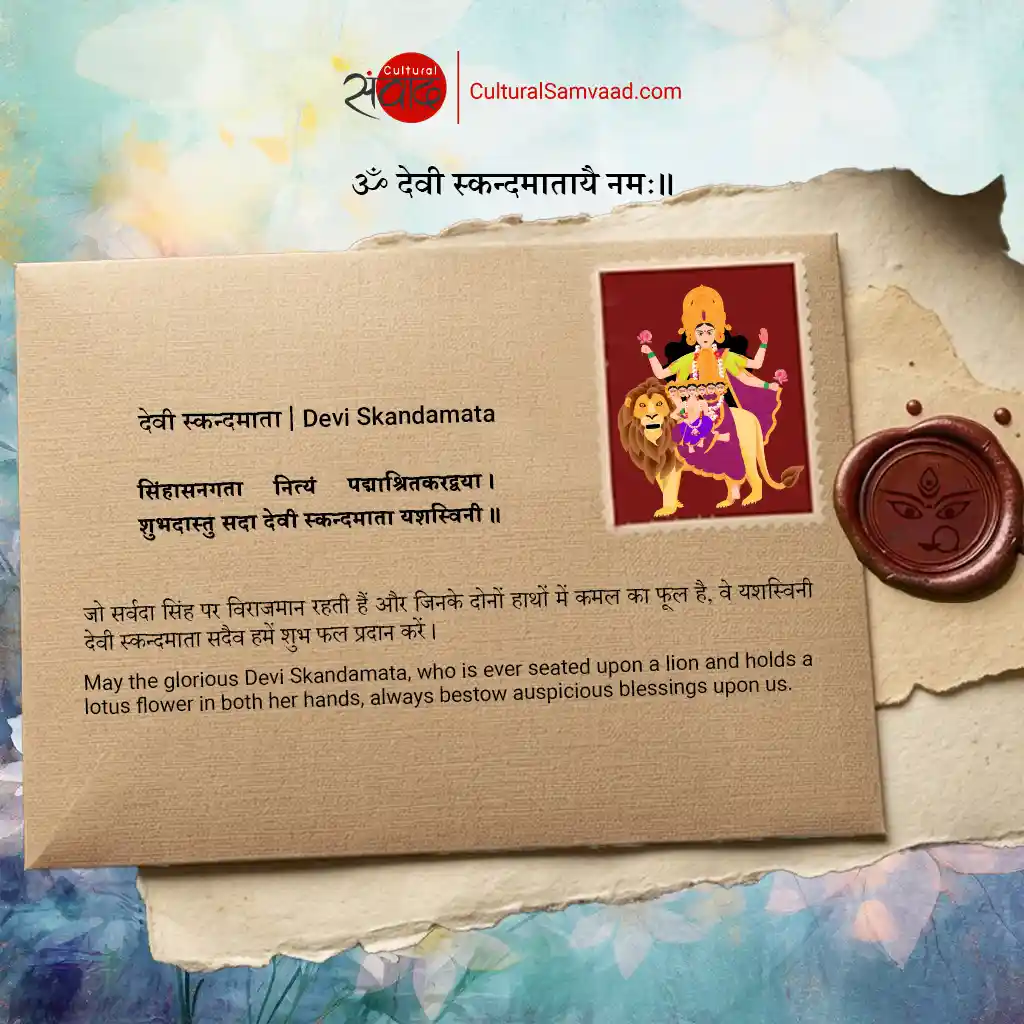
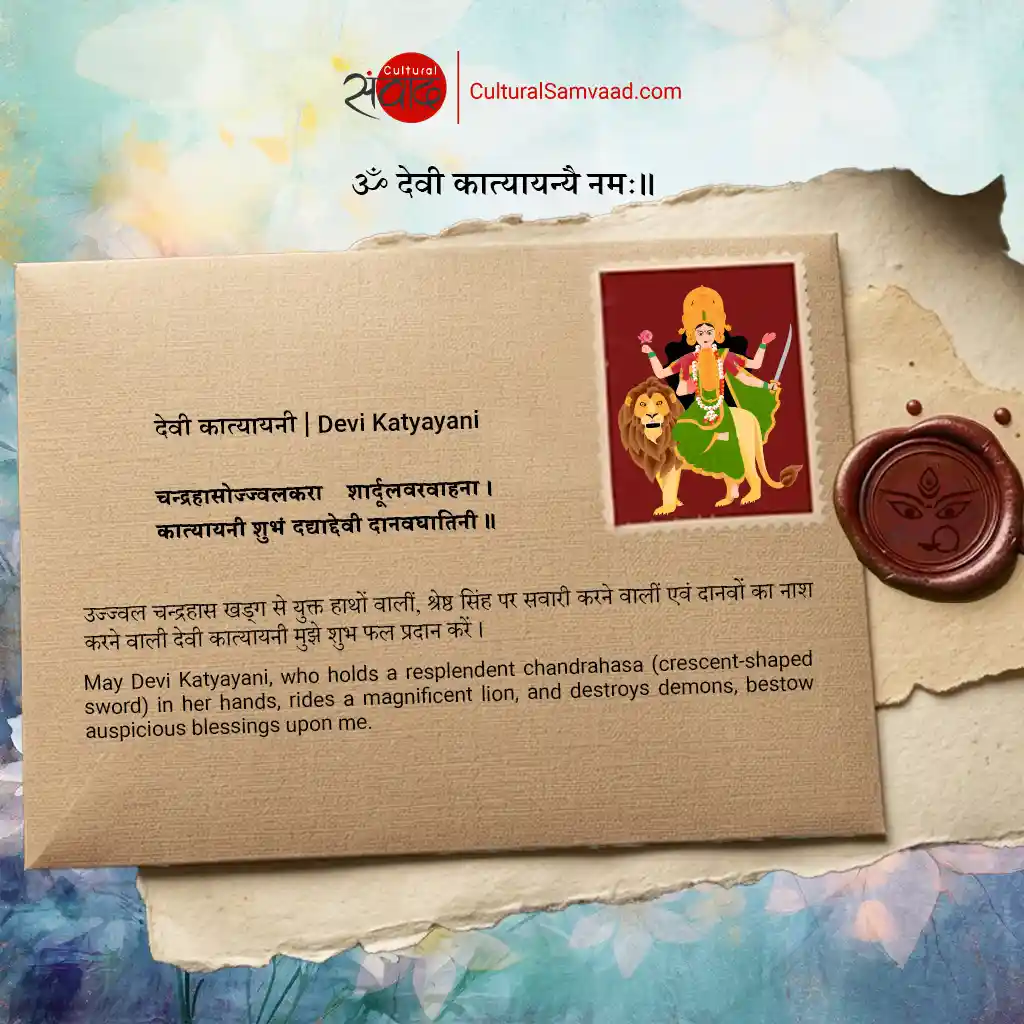
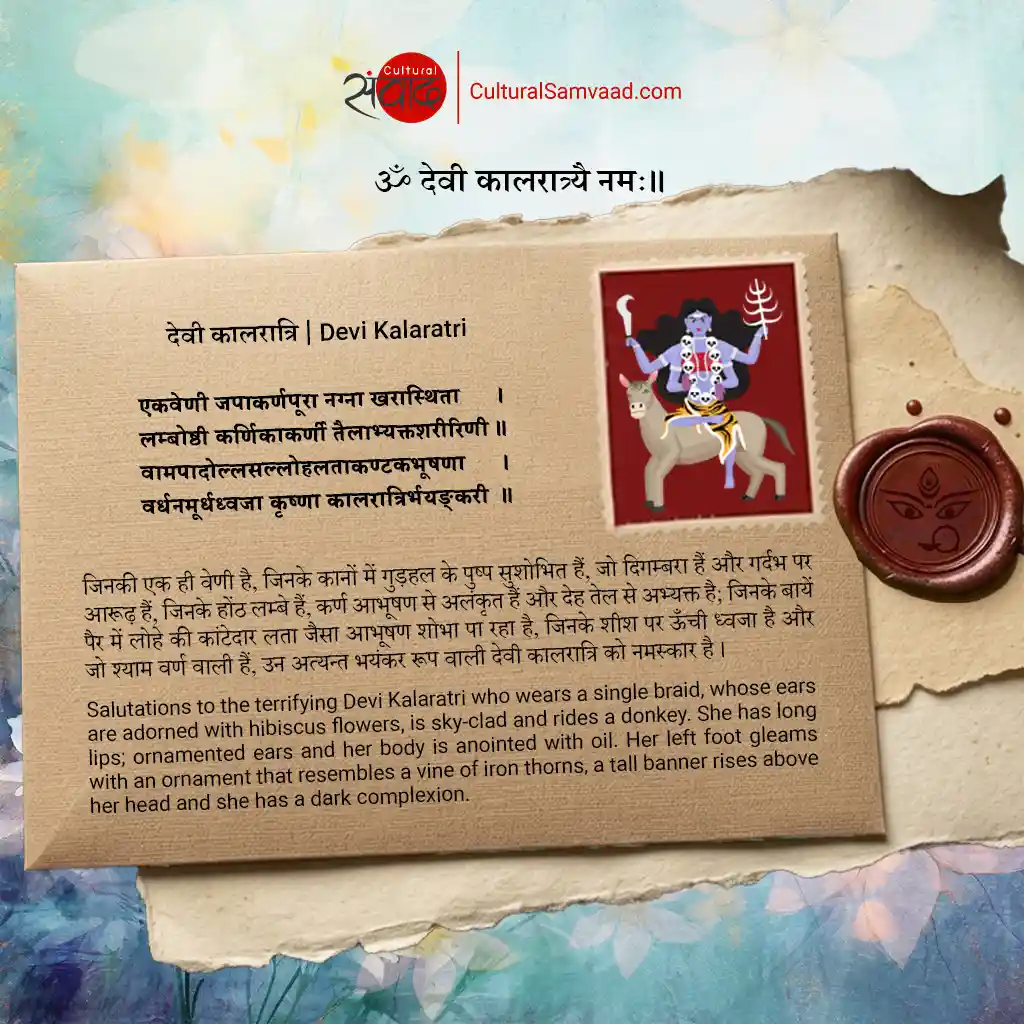
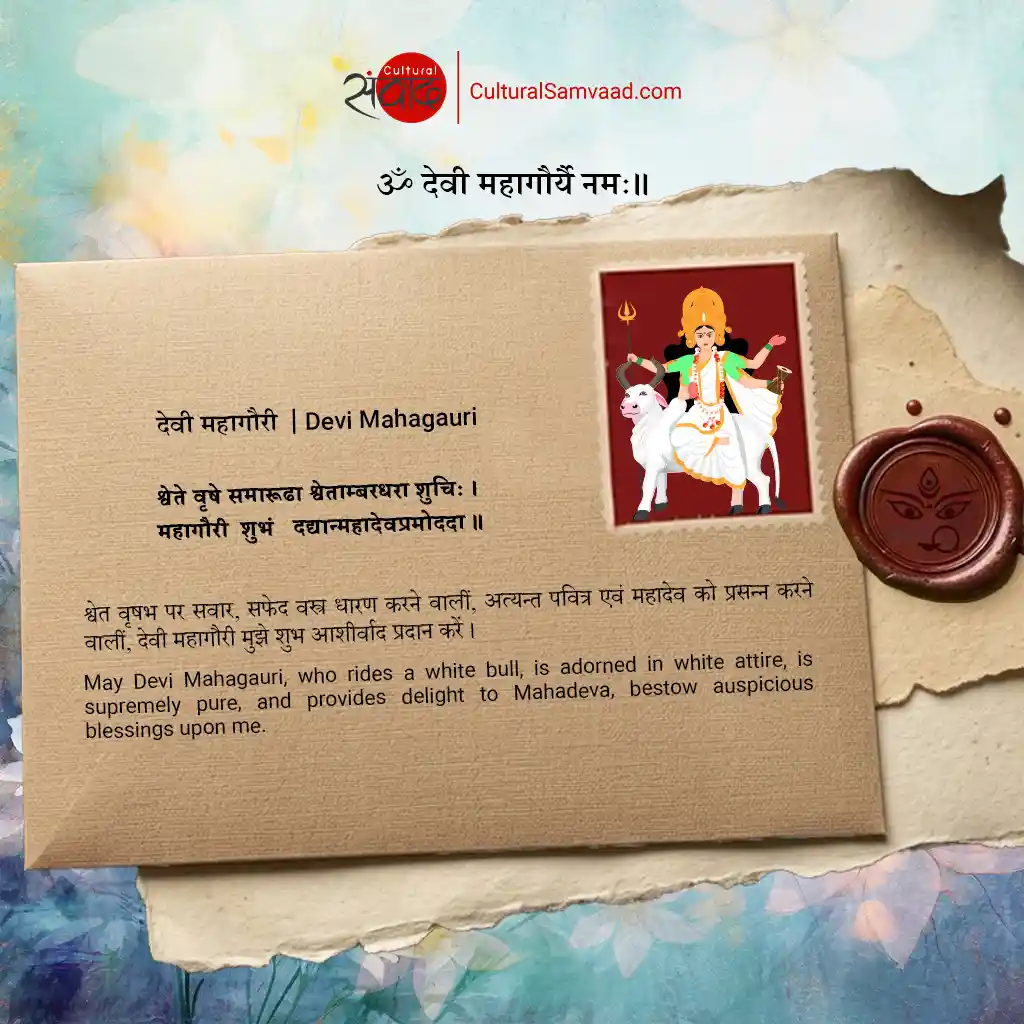
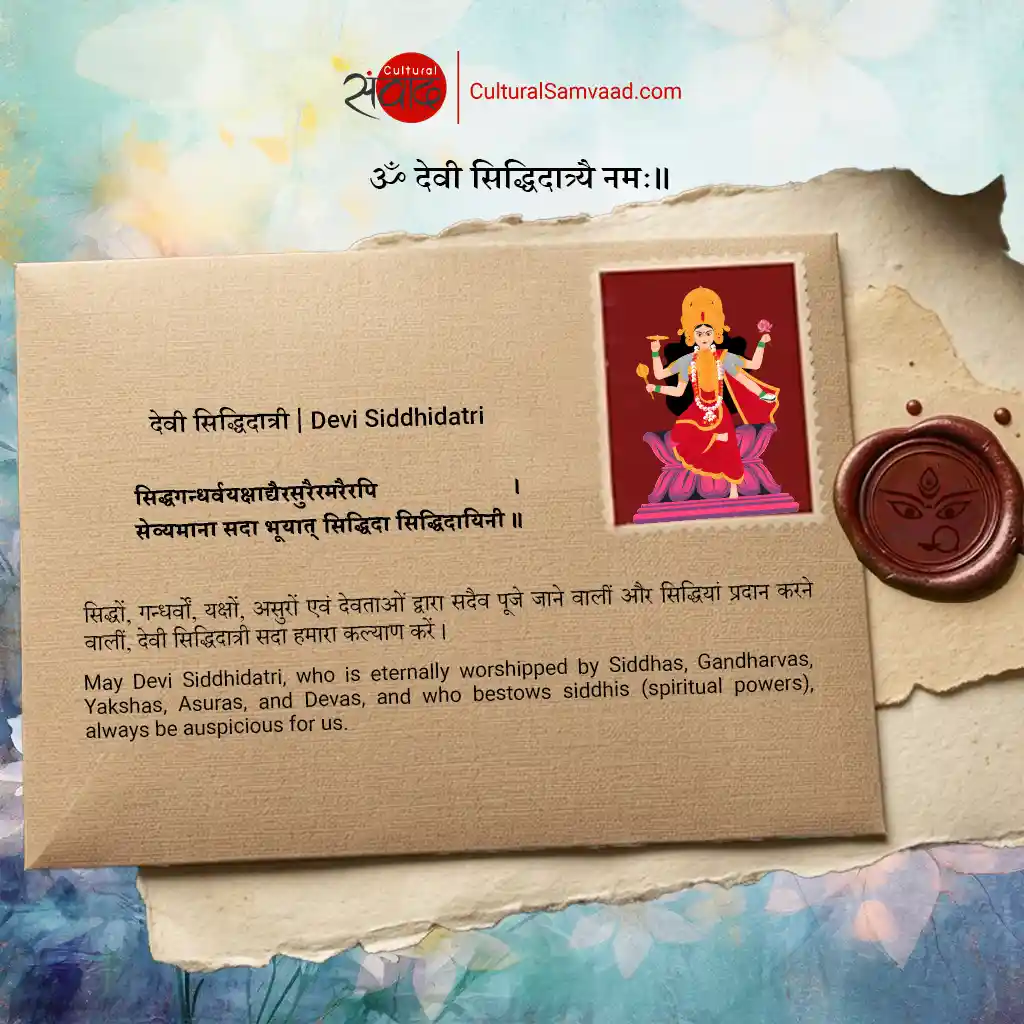
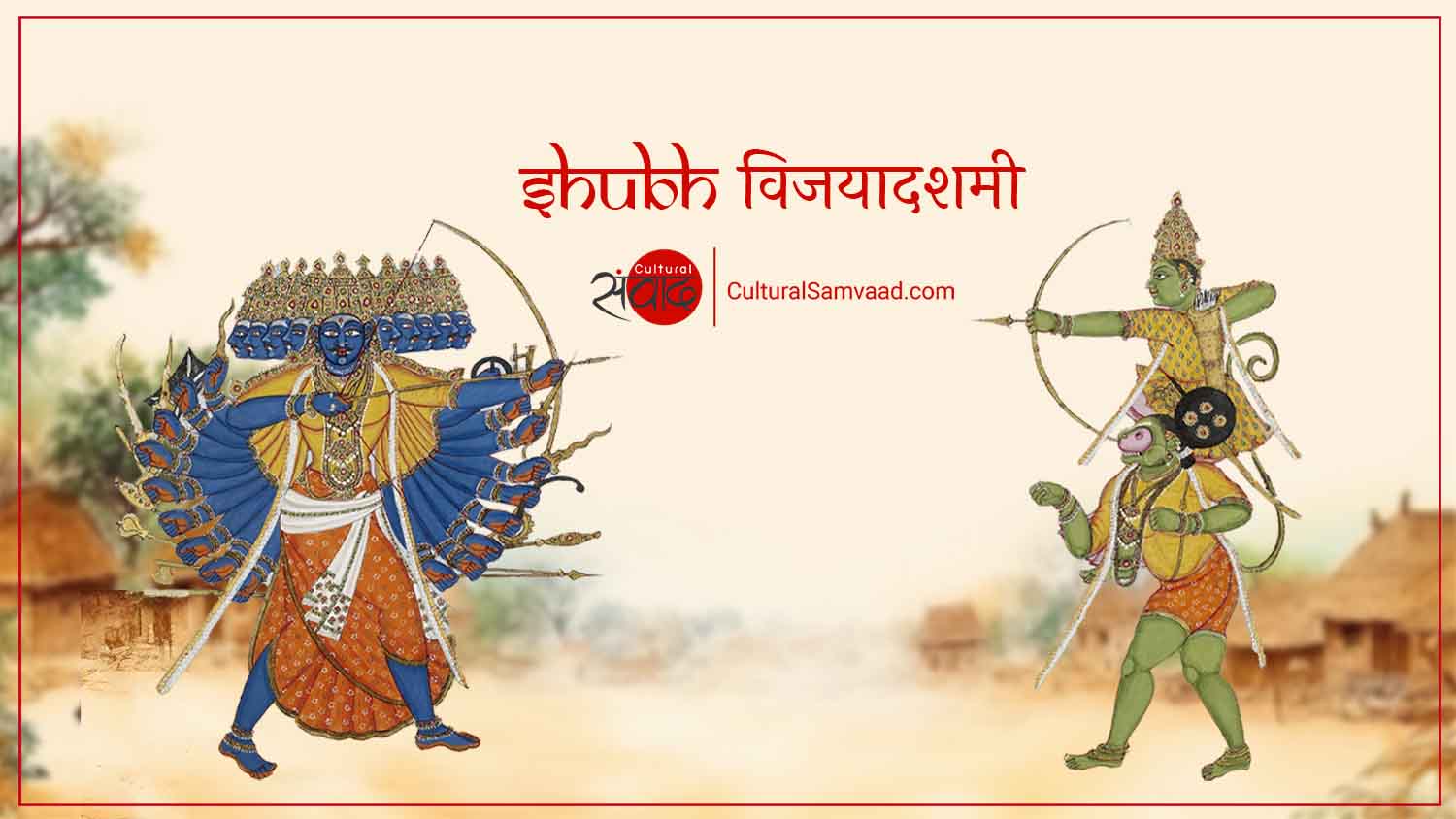
Celebrating the eternal victory of Dharma over Adharma
Some years ago, Cultural Samvaad was born during Navratri with just one essay on our favourite text – Durga Saptashati. Since then, we have continued to add and amend.
This page is an attempt to bring together the multicoloured hues of the Devi’s grand celebration to facilitate conversations around the texts and images, their symbolism and the unity in diversity of Bharat’s age-old traditions.
Sharad Navratri 2026 - 11–20 October | Vijayadashami 20 October